

Chronic back pain, often combined with leg pain and neuropathic discomfort, is an enormous burden for many patients. They have often already tried numerous therapies without satisfactory results – from painkillers (including high-dose opiates) to physiotherapy and multiple operations.
For this group of people, spinal cord stimulation (SCS) can bring about a decisive change.
What is spinal cord stimulation (SCS)?
Spinal cord stimulation is a neuromodulatory procedure in which weak electrical impulses are delivered to the spinal cord. These impulses can mask or modulate pain signals so that they are no longer perceived as pain in the brain.
Plate electrode vs. percutaneous electrode
- Percutaneous electrode: Is usually inserted in a minimally invasive way, similar to an injection.
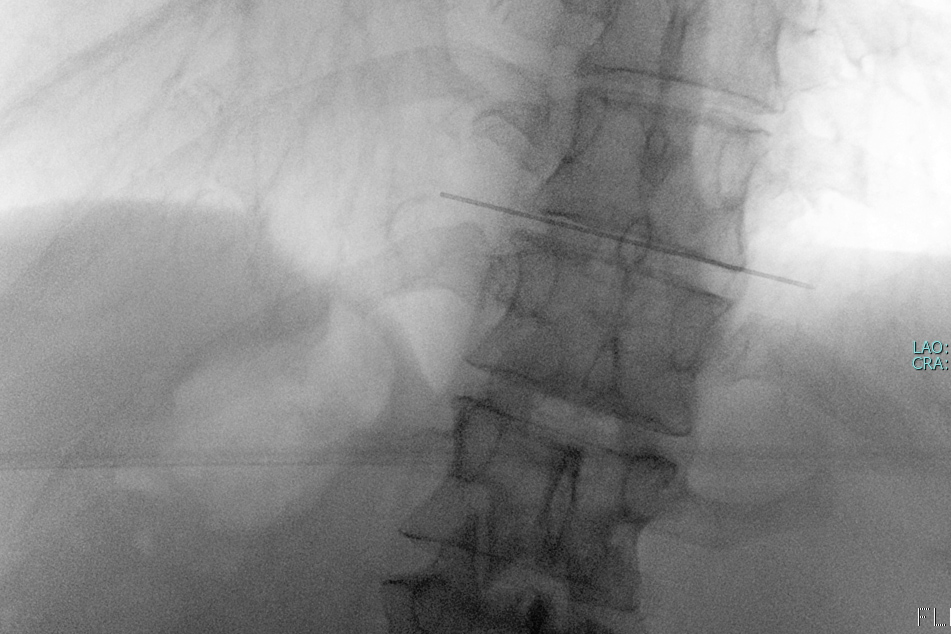
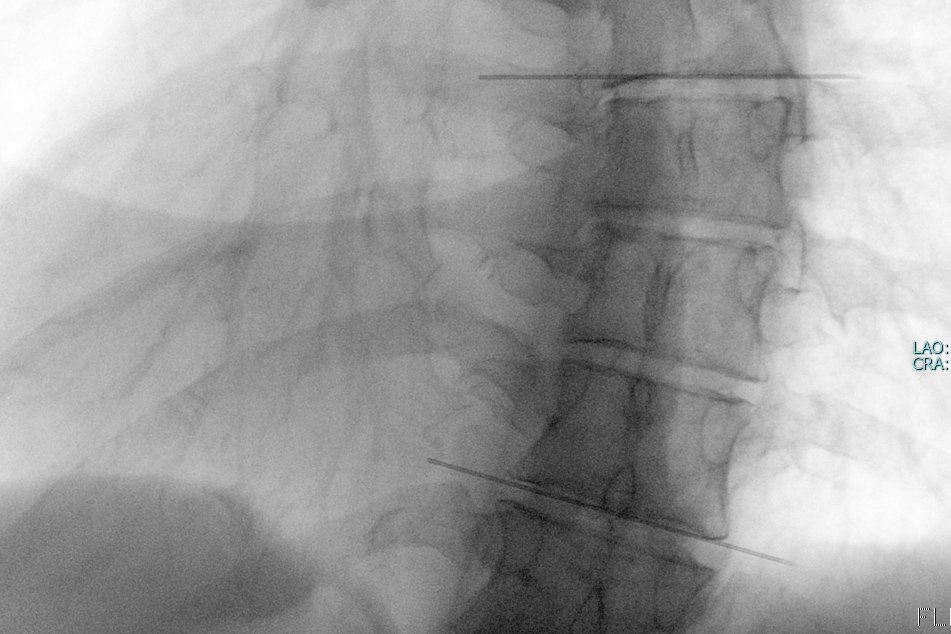
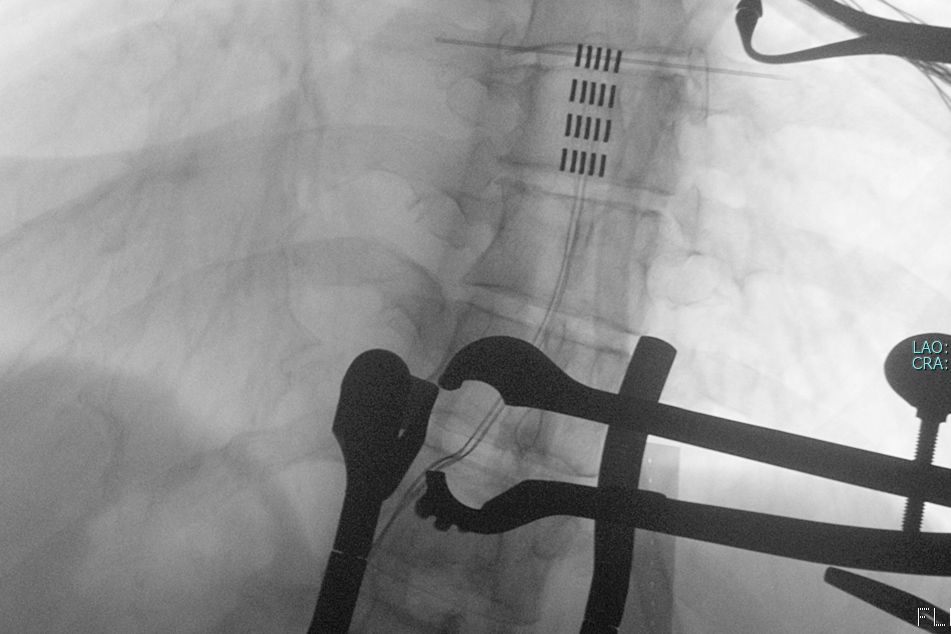
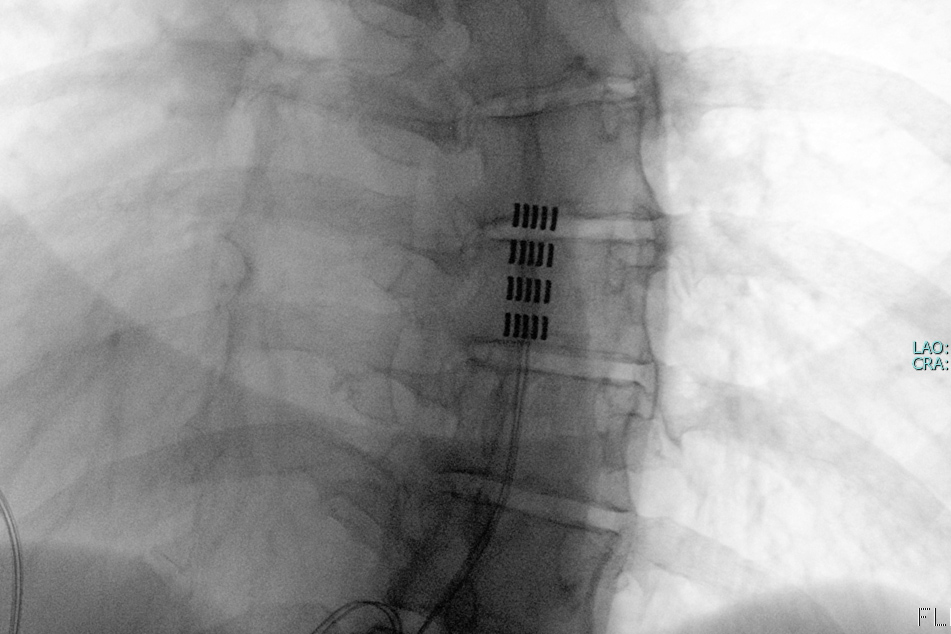
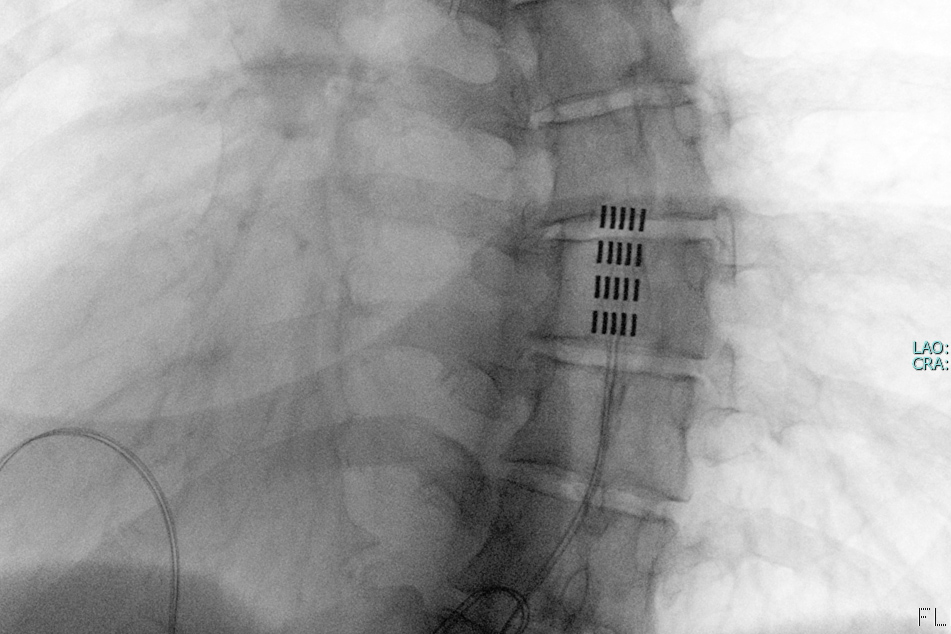
- Plate electrode: Requires a small microsurgical procedure. A bony window is created in the thoracic vertebra area (for example at the level of the 8th/9th thoracic vertebra) through which the electrode is inserted into the spinal canal and positioned precisely. This is more complex, but often offers more stable and effective stimulation – especially in protracted or severe cases.
Who is the procedure suitable for?
- Patients with chronic back and leg pain who no longer respond to conservative therapies (medication, physiotherapy, etc.).
- People with neuropathies (nerve pain) or severe complaints after multiple disc or spinal operations (“failed back surgery syndrome”).
- People suffering from high levels of painkillers (e.g. fentanyl patches, opiates, NSAIDs) without experiencing sufficient relief.
Procedure of the operation
- Preliminary examinations: First of all, a detailed pain diagnosis and radiological examinations (MRI, X-ray) are carried out.
- Microsurgical window: Under general anesthesia, a small part of the vertebral arch is removed in order to gently push the plate electrode into the spinal canal.
- Placement of the electrode: The electrode is positioned at the desired height (e.g. height of thoracic vertebrae 8/9). This is the most effective way to influence pain signals from the lower back and legs.
- Connecting the pulse generator: The stimulator (pulse generator) is usually implanted under the skin in the lateral back or abdominal area. The stimulation parameters can be adjusted using this device.
- Fine-tuning & aftercare: After the operation, there is a phase in which the right settings are found for individual pain relief. Regular checks ensure that the system is working optimally.