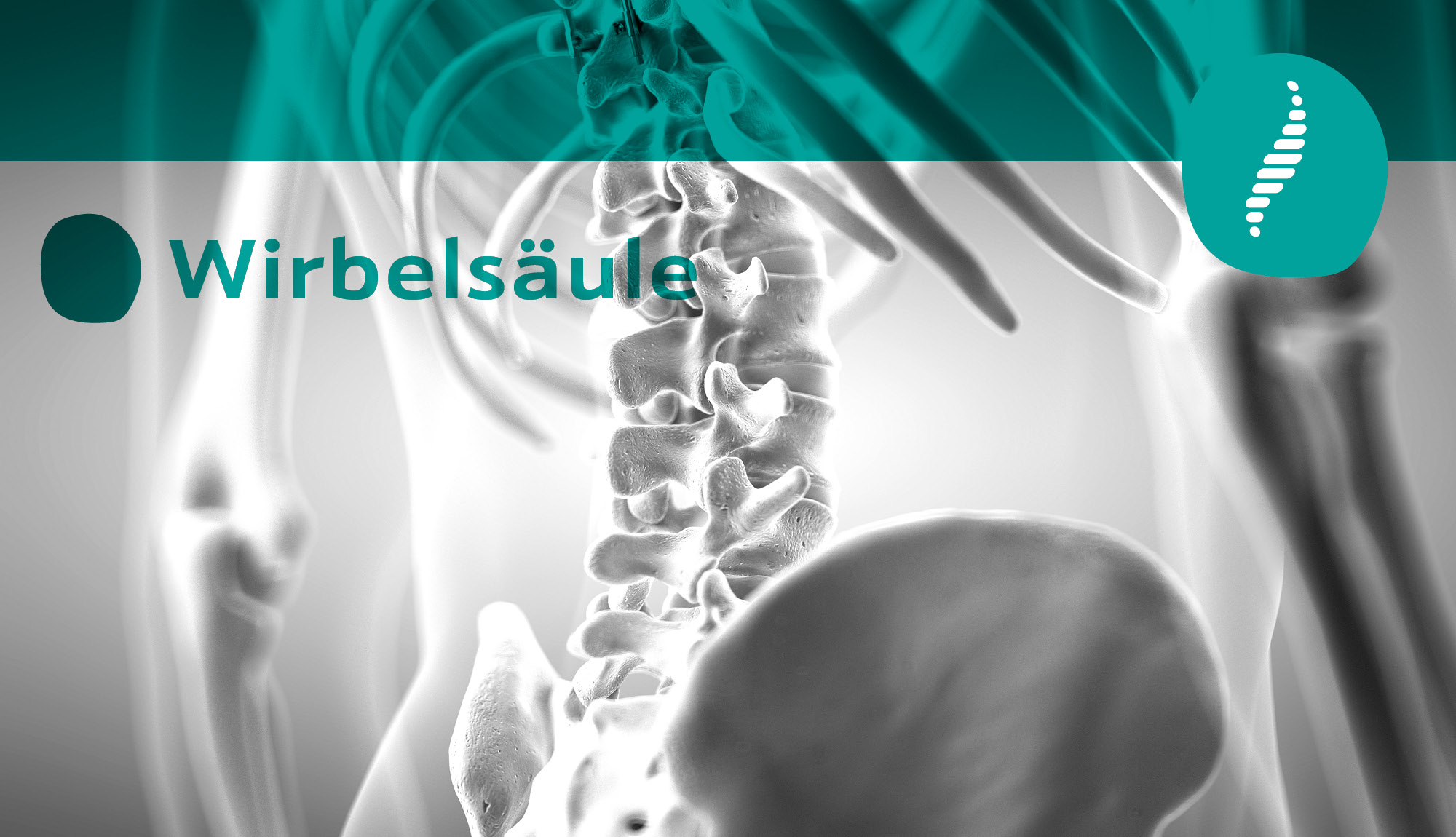
Minimally invasive procedures for the treatment of chronic spinal pain

Cervical spine (HWS)

Minimally invasive procedures for the treatment of chronic spinal pain

1.1 Cervical spine facet joint infiltration (CT-supported facet blockade)

📌 Definition of

In the case of wear-related pain in the cervical spine, the small vertebral joints (facet joints) are treated with local anesthetics and cortisone.

🛑 Indications

✅ Chronic neck & head pain due to facet arthrosis
✅ Pain on movement of the cervical spine
✅ No disc pathology, but vertebral joint involvement

🔬 Implementation

1️⃣ CT- or ultrasound-guided placement of the injection needle
2️⃣ Injection of local anesthetic & cortisone into the facet joint
3️⃣ Pain relief for weeks to months, repetition possible

✅ Advantages & 🔴 Disadvantages

✅ High precision, can be performed on an outpatient basis
✅ Pain reduction without systemic medication
🔴 Not a permanent solution, requires repetition

🔹 Outpatient: Infiltrations every 3-6 months
🔹 Inpatient: Only in combination with other procedures

1.2 Radiofrequency denervation of the cervical spine (thermocoagulation of the facet joints)

📌 Definition of

In radiofrequency ablation (RFA), the small nerves that transmit pain signals from the facet joints are selectively obliterated with heat (80°C).

🛑 Indications

✅ Chronic facet joint arthrosis of the cervical spine
✅ Therapy resistance to cortisone infiltrations
✅ Long-term alternative to infiltration

🔬 Implementation

1️ CT- or X-ray-guided placement of the RF probe on the medial branch nerve
2️ Test stimulation to confirm the correct position
3️ Targeted denervation through high-frequency heating of the nerves

✅ Advantages & 🔴 Disadvantages

✅ Longer lasting pain reduction (6-18 months)
✅ No systemic side effects
🔴 Rare complications such as nerve damage or local inflammation

🔹 Outpatient: Can be performed in specialized centers
🔹 Inpatient: For more complex cases with concomitant diseases

1.3 Epidural infiltration of the cervical spine (periradicular therapy - PRT cervical spine)

📌 Definition

A targeted injection of local anesthetics & cortisone to the nerve roots for the treatment of herniated discs or spinal canal stenosis in the cervical spine.

🛑 Indications

✅ Herniated cervical spine disc with nerve root irritation
✅ Radicular pain (pain radiating into the arm & shoulder)
✅ Alternative to surgery for moderate nerve compression

🔬 Implementation

1️Image-guidedplacement of the injection needle in the epidural space or on the affected nerve root
2️Injection of cortisone & local anesthetic to reduce swelling of the nerve
3️ Symptomatic improvement after a few days to weeks

✅ Advantages & 🔴 Disadvantages

✅ Avoidance of surgery for herniated discs
✅ Reduction of swelling & inflammation
🔴 Effect may be limited, may require repetition

🔹 Outpatient: In specialized pain clinics
🔹 Inpatient: For more severe herniated discs with neurological deficits

Thoracic spine (BWS)

Minimally invasive pain therapy

2.1 Facet infiltration & radiofrequency ablation of the thoracic spine

📌 Definition of

As with the cervical spine, targeted infiltrations or thermocoagulation are carried out for pain therapy in cases of wear and tear of the small vertebral joints.

🛑 Indications

✅ Chronic pain in the thoracic spine due to facet joint arthrosis
✅ Alternative to painkillers & surgery

🔹 Outpatient: CT-guided injection
🔹 Inpatient: For combined degenerative diseases

Lumbar spine (LWS)

Minimally invasive pain therapy

3.1 Periradicular therapy (PRT lumbar spine)

📌 Definition of

Targeted injection of cortisone and anesthetics to irritated nerve roots in the case of herniated discs or spinal canal stenosis in the lumbar spine.

🛑 Indications

✅ Herniated discs with sciatica symptoms
✅ Nerve root irritation due to spinal canal stenosis

🔹 Outpatient: Can be carried out in pain clinics
🔹 Inpatient: For additional neurological deficits

3.2 Endoscopic disc surgery (microendoscopic decompression)

📌 Definition of

Minimally invasive surgical technique in which disc decompression is performed through a small opening in the skin using an endoscope.

🛑 Indications

✅ Medium-sized herniated discs with nerve compression
✅ Alternative to open microdiscectomy

🔹 Outpatient: Possible in specialized centers
🔹 Inpatient: For more complex herniated discs

Nucleoplasty

Minimally invasive treatment of disc protrusions

📌 Definition of

Nucleoplasty is a minimally invasive procedure for the treatment of disc protrusions in the cervical spine (cervical spine), thoracic spine (thoracic spine) and lumbar spine (lumbar spine). Using a special probe, tissue is removed or modified from the disc nucleus in order to reduce the pressure on the nerves.

🛑 Indications

✅ Disc protrusion with nerve irritation

✅ Chronic back pain due to disc changes

✅ Alternative to open disc surgery

🔬 Procedure of the therapy

Insertion of a special probe under imaging control (X-ray or CT)

Application of radiofrequency energy or plasma technology for tissue removal

Relief of the nerve structures and reduction of the inner disc pressure

Pain relief often within a few days to weeks

⚕️ Advantages

✅ Minimally invasive & tissue-sparing

✅ Outpatient implementation possible

✅ Fast recovery & low complication rate

✅ Preservation of the intervertebral disc structure without major surgical interventions

Epiduroscopy

Minimally invasive diagnostics and therapy in the epidural space

📌 Definition

Epiduroscopy is a minimally invasive procedure for the direct examination and treatment of chronic pain in the epidural space of the spine. It enables the targeted removal of adhesions, injection of medication and irrigation of the affected area.

🛑 Indications

✅ Chronic back pain after operations (post-nucleotomy syndrome)

✅ Epidural adhesions or scarring

✅ Disc protrusions with nerve irritation

✅ Spinal canal stenosis with inflammatory changes

🔬 Procedure of the therapy

Insertion of a flexible endoscope under imaging (X-ray or fluoroscopy)

Direct visualization and assessment of the nerve structures

Mechanical or enzymatic dissolution of scar tissue

Targeted administration of medication (cortisone, local anesthetic) to reduce pain

⚕️ Advantages

✅ Minimally invasive & tissue-sparing

✅ Direct diagnostics and targeted therapy in one procedure

✅ Alternative to open spinal surgery

✅ Rapid recovery and low complication rate
Detailed patient information

2.1 Herniated disc

📌 Definition

A herniated disc occurs when the soft core of an intervertebral disc protrudes through the outer fibrous ring and exerts pressure on the nerve structures.

🛑 Symptoms

  • Back pain with radiation into the leg (sciatica pain)
  • Numbness or tingling in the legs or feet
  • Muscle weakness, in severe cases even signs of paralysis

🔬 Diagnostics

  • MRI or CT: confirmation of the prolapse and determination of the affected nerve
  • Clinical tests: Lasegue test to check sciatic nerve involvement
  • Neurological examination: reflexes and sensitivity tests

⚕️ Therapy

  • Conservative: pain medication, physiotherapy, back training
  • Minimally invasive: periradicular therapy (PRT), nucleoplasty

Surgical: Microsurgical removal of the intervertebral disc

2.2 Spinal canal stenosis

📌 Definition of

In the case of spinal canal stenosis, the spinal canal narrows, which leads to pressure on the spinal cord and nerves.

🛑 Symptoms

  • Pain in the legs when walking (spinal claudication)
  • Feeling of weakness or numbness in the legs
  • Improvement of complaints when bending over

🔬 Diagnostics

  • MRI & CT: visualization of the constriction and the affected segment
  • Clinical examination: examination of walking distance and neurological deficits

⚕️ Therapy

  • Conservative: physiotherapy, pain management
  • Minimally invasive: cortisone infiltrations, radiofrequency therapy

Surgical: decompression surgery, stabilization if necessary

2.3 Facet syndrome (osteoarthritis of the vertebral joints)

📌 Definition of

Facet syndrome is a common cause of back pain and is caused by wear and tear of the small vertebral joints (facet joints). These joints ensure stability and mobility of the spine. Degenerative changes lead to inflammation and painful movement restrictions.

🛑 Symptoms

  • Localized back pain (especially when stretching and twisting the back)
  • Morning stiffness that improves after exercise
  • Radiating pain in the buttocks or legs, but usually not below the knee
  • Feeling of blockage in the back

🔬 Diagnostics

  • Clinical examination: Checking mobility and pain localization
  • Imaging (MRI/CT): visualization of cartilage wear, osteoarthritis or inflammation
  • Diagnostic infiltration: injection of a local anesthetic into the facet joints to determine the cause of the pain

⚕️ Therapy

  • Conservative: painkillers, physiotherapy, targeted muscle training
  • Minimally invasive: radiofrequency therapy to obliterate the pain-conducting nerves

Surgical: In rare cases, facet joint denervation or fusion surgery

2.4 Vertebral body fractures (osteoporotic fractures, accident-related fractures)

📌 Definition of

Vertebral body fractures can be caused by accidents, osteoporosis or tumors. This results in a painful deformation or instability of the affected vertebrae.

🛑 Symptoms

  • Sudden, severe back pain after a fall or without an identifiable cause (in osteoporosis)
  • Changes in posture (hunchback)
  • Neurological deficits due to nerve compression

🔬 Diagnostics

  • X-ray & CT: visualization of the fracture and assessment of stability
  • MRI: To differentiate between fresh and old fractures

⚕️ Therapy

  • Conservative: pain therapy, brace treatment for stable fractures
  • Minimally invasive:
    • Kyphoplasty: straightening and stabilization of the vertebra with bone cement
    • Vertebroplasty: Direct injection of cement for stabilization

Surgical: In the case of unstable fractures, stiffening of the affected segments

2.5 Spondylolisthesis (spondylolisthesis)

📌 Definition of

Spondylolisthesis refers to the slippage of a vertebra over the vertebra below it. This can be congenital or caused by degeneration of the intervertebral discs and joints.

🛑 Symptoms

  • Back pain that worsens when walking and standing
  • Radiating pain in the legs or buttocks
  • Muscle tension & instability of the spine

🔬 Diagnostics

  • X-ray in flexion & extension position: evidence of vertebral slippage
  • MRI: assessment of nerve compression

⚕️ Therapy

  • Conservative: muscle strengthening, back training, pain therapy
  • Minimally invasive: facet denervation or targeted injections

Surgical: stabilization surgery with screws & rods in severe cases

2.6 Scoliosis & kyphosis (spinal curvatures)

📌 Definition of

Scoliosis is a lateral curvature of the spine, while kyphosis describes an increased hunchback formation. Both can be congenital or caused by degenerative changes.

🛑 Symptoms

  • Back pain and muscle tension
  • Visible asymmetry of the shoulders or pelvis
  • Restricted movement in severe cases

🔬 Diagnostics

  • Clinical examination: visual inspection of the posture
  • X-ray: Measurement of the angle of curvature (Cobb angle)
  • MRI: assessment of nerve involvement

⚕️ Therapy

  • Conservative: physiotherapy, corset treatment (for adolescents)

Surgical: Correction of the curvature using screw-rod implants

2.7 Spina bifida (open back)

📌 Definition of

Spina bifida is a congenital malformation in which the spinal column does not close completely. It ranges from mild forms (spina bifida occulta) to severe forms (spina bifida aperta).

🛑 Symptoms

  • Open malformation with visible nerve tissue (in severe forms)
  • Neurological deficits (paralysis, bladder and bowel disorders)
  • Scoliosis or foot deformities

🔬 Diagnostics

  • Prenatal ultrasound examination: detection in the womb
  • MRI & CT: Detailed visualization of the malformation

⚕️ Therapy

  • Surgical correction for severe forms
  • Physiotherapy & aids to improve mobility

Bladder management & urology for bladder dysfunction

2.8 Bechterew's disease (ankylosing spondylitis)

📌 Definition of

Ankylosing spondylitis is a chronic inflammatory disease of the spine that leads to stiffness and severe back pain.

🛑 Symptoms

  • Deep-seated back pain, especially in the morning
  • Stiffness of the spine
  • Restricted chest mobility
  • Gradual progression of the disease over years

🔬 Diagnostics

  • MRI & X-ray: early detection of joint changes
  • Blood tests: Elevated inflammation values (CRP, BSG)
  • HLA-B27 test: testing for genetic predisposition

⚕️ Therapy

  • Medication: anti-inflammatory drugs (NSAIDs), biologics
  • Physiotherapy: maintaining mobility through targeted training

Infiltrations or surgery: pain blockades or spinal fusion in severe cases

2.9 Syringomyelia

📌 Definition of

Syringomyelia is an accumulation of fluid in the spinal cord that can lead to nerve disorders and muscle atrophy.

🛑 Symptoms

  • Pain and numbness in arms and legs
  • Muscle weakness and reflex changes
  • Scoliosis or gait disorders

🔬 Diagnostics

  • MRI: visualization of the syrinx (cavities in the spinal cord)
  • Clinical examination: Analyzing neurological deficits

⚕️ Therapy

  • Surgical pressure relief of the spinal cord
  • Improving cerebrospinal fluid drainage: shunt surgery or decompression
  • Pain therapy & physiotherapy

2.10 Intervertebral disc prosthesis

📌 Definition of

Replacement of a degenerated intervertebral disc with an artificial prosthesis to maintain mobility.

🛑 Symptoms

  • Chronic back pain
  • Movement restrictions

🔬 Diagnostics

  • MRI: assessment of intervertebral disc wear
  • Dynamic X-ray: testing the mobility of the spine

⚕️ Therapy

Minimally invasive: implantation of the prosthesis between two vertebral bodies

2.11 Degenerative spinal diseases (spondylarthrosis & spondylolisthesis)

📌 Definition of

Spondylarthrosis is the age-related wear and tear of the small vertebral joints, while spondylolisthesis describes spondylolisthesis.

🛑 Symptoms

  • Chronic back pain with restricted mobility
  • Numbness or weakness in the legs or arms
  • Feeling of instability of the spine

🔬 Diagnostics

  • MRI or CT: visualization of joint wear and tear
  • Dynamic X-ray: assessment of vertebral mobility

⚕️ Therapy

  • Conservative: physiotherapy, pain therapy
  • Minimally invasive: facet infiltration, radiofrequency therapy
  • Surgical: stabilization or fusion of the spine

🔹 Outpatient: Infiltrations or minimally invasive radiofrequency therapy
🔹 Inpatient: Stabilizing operations for severe cases

2.12 Spinal metastases (tumor infestation of the spine)

📌 Definition of

Metastases in the spine are tumor metastases from other organs (e.g. lungs, breast, prostate). They can jeopardize the stability of the spine and cause nerve compression.

🛑 Symptoms

  • Chronic back pain, often worse at night
  • Neurological deficits (weakness, numbness)
  • Bladder and bowel emptying disorders

🔬 Diagnostics

  • MRI & CT: imaging of the tumor and bone structure
  • Biopsy: Examination of the type of tumor
  • Scintigraphy: detection of bone metastases

⚕️ Therapy

  • Radiotherapy or chemotherapy
  • Minimally invasive cement augmentation (kyphoplasty, vertebroplasty)
  • Surgical tumour removal & stabilization

🔹 Outpatient: Pain therapy, kyphoplasty
🔹 Inpatient: tumour resection with spinal stabilization

2.13 Osteoporosis-related vertebral fractures

📌 Definition of

Osteoporosis leads to a weakening of the bone structure, which can result in spontaneous vertebral fractures without trauma.

🛑 Symptoms

  • Sudden, severe back pain without an accident
  • Hunchback formation (“widow’s hump”)
  • Movement restrictions

🔬 Diagnostics

  • Bone density measurement (DXA): Confirmation of osteoporosis
  • X-ray & MRI: Detection of fresh vertebral fractures

⚕️ Therapy

  • Conservative: painkillers, physiotherapy, osteoporosis therapy
  • Minimally invasive: kyphoplasty or vertebroplasty for stabilization

🔹 Outpatient: Osteoporosis management
🔹 Inpatient: Kyphoplasty or vertebroplasty

2.14 Postlaminectomy syndrome (Failed Back Surgery Syndrome - FBSS)

📌 Definition of

Postlaminectomy syndrome occurs after previous spinal surgery when patients continue to suffer from pain or new symptoms.

🛑 Symptoms

  • Chronic back pain despite surgery
  • Neurological deficits (e.g. numbness or weakness)
  • Movement restrictions

🔬 Diagnostics

  • MRI & CT: Check for scarring or instability
  • Neurophysiological tests: measurement of nerve conduction velocity
  • Infiltration tests: To localize the source of pain

⚕️ Therapy

  • Conservative: pain therapy, physiotherapy
  • Minimally invasive: periradicular infiltrations, neuromodulation
  • Surgical: revision surgery or spinal stabilization

🔹 Outpatient: Infiltrations, pain therapy
🔹 Inpatient: corrective surgery or stabilization procedures

2.15 Spinal AV malformations & fistulas

📌 Definition of

Spinal arteriovenous malformations (AVM) are vascular malformations in the spinal cord that can lead to circulatory disorders and neurological symptoms.

🛑 Symptoms

  • Back pain or sudden onset of paralysis
  • Sensory disturbances in arms or legs
  • Bladder or bowel dysfunction

🔬 Diagnostics

  • MRI & angiography: visualization of vascular malformations
  • CSF examination: detection of elevated protein levels

⚕️ Therapy

  • Endovascular embolization: Closure of malformations with catheter procedures
  • Microsurgical removal of the AVM

🔹 Outpatient: Follow-up of small AVMs
🔹 Inpatient: Embolization or surgery